
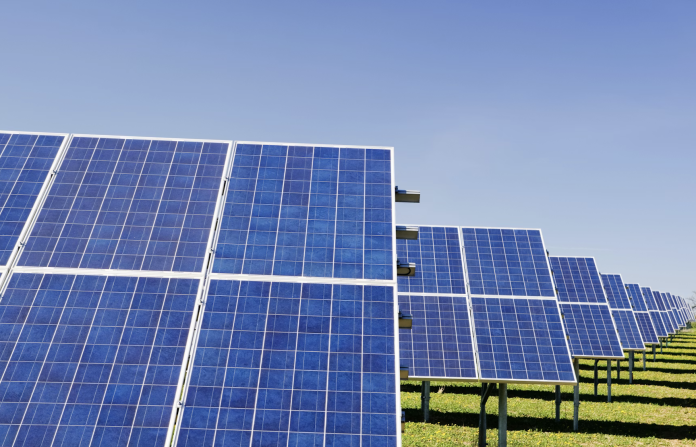
A Cebu-based consumer advocacy group has urged households and small businesses to adopt low-cost solar devices to cushion the impact of rising power bills, warning that summer demand and higher global fuel prices could push electricity rates sharply higher in the coming months.
The Cebu Electricity Rights Advocates (CERA) said on Monday that hotter weather, which is driving heavier use of cooling appliances, and geopolitical tensions in the Middle East were creating pressure on fuel prices that could feed through to Philippine power costs.
“We are facing a period of unprecedented volatility,” CERA convenor Nathaniel Chua said in a statement, adding that higher electricity use during the dry season and rising global fuel costs were directly affecting household power bills.
The group called the shift to small-scale solar a “solar micro-shift,” urging residents, street vendors and sari-sari store owners to use standalone solar kits and solar-powered fans to trim dependence on the grid during peak hours.
CERA said a 20-watt solar lighting kit costing about 450 pesos to 650 pesos ($7.90-$11.40) could provide up to 8 to 10 hours of lighting after a day of charging, while solar-powered DC fans priced at around 1,499 pesos to 2,499 pesos could run for up to 10 hours without adding to monthly electricity bills.
“For micro-entrepreneurs, this is a practical and immediate defence against rising bills,” Chua said. “Solar is not meant to replace the grid but it can significantly reduce daily expenses and provide reliable lighting during brownouts.”
The group said wider use of solar lighting and fans could help cut peak demand, particularly at night when utilities may have to source more expensive power from the Wholesale Electricity Spot Market. It said this could help consumers avoid bill increases of 15% to 20% during periods of high demand, while also easing strain on the grid.
Still, CERA said small-scale solar was only a short-term response and that Cebu needed additional baseload capacity to secure long-term supply and price stability.
“Baseload power is the backbone of a stable energy system,” Chua said. “Solar is first aid but Cebu urgently needs the surgery of new baseload power plants to ensure long-term reliability and price stability.”
The group said electricity demand in Cebu was growing by about 150 megawatts a year, leaving the province increasingly exposed to supply disruptions as it continued to rely on imported power.
CERA also warned that rising fuel prices tied to the conflict involving Iran could further lift electricity rates in the Philippines, where much of power generation still relies on coal, natural gas and oil.
It called on the Department of Energy and the Energy Regulatory Commission to accelerate new baseload projects, explore temporary relief measures such as staggered billing, review non-essential charges and support efforts to remove value-added tax from electricity bills.
“The next billing cycles could be among the highest we have ever seen,” Chua said. “We urge every Cebuano to act now, conserve energy, consider small solar investments, and prepare for continued volatility in the months ahead.”
Cebu Business News

