
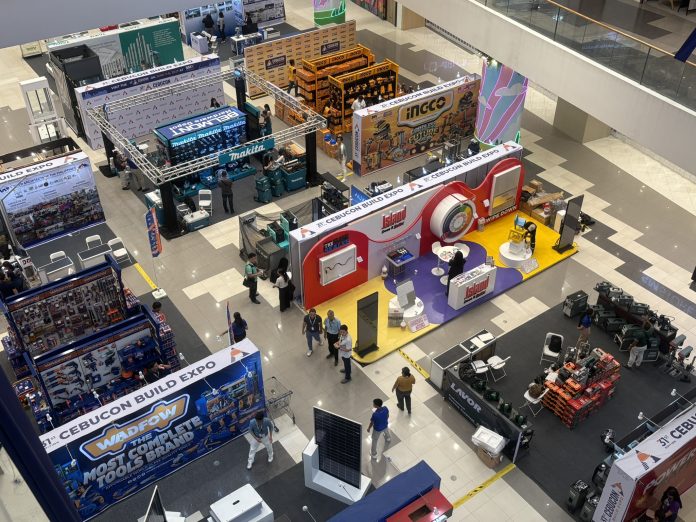
The 31st CebuCon Build Expo opened on Thursday at SM Seaside City Cebu, bringing together nearly 100 construction, engineering and building materials companies as industry players sought ways to manage rising costs amid concerns over higher fuel prices and supply chain disruptions linked to tensions in the Middle East.
The four-day exhibition comes as the construction sector faces the prospect of higher transportation, logistics, and material costs should oil prices continue to rise.
Despite the uncertainties, industry participants said demand from infrastructure projects, tourism developments, industrial investments and urbanization continues to support construction activity, particularly in growth centers such as Cebu.
“We are operating in a more challenging environment, but that also pushes the industry to innovate,” Tristan JL Abais, president of LA Ducut Abais Innovations Inc., the event organizer, said.
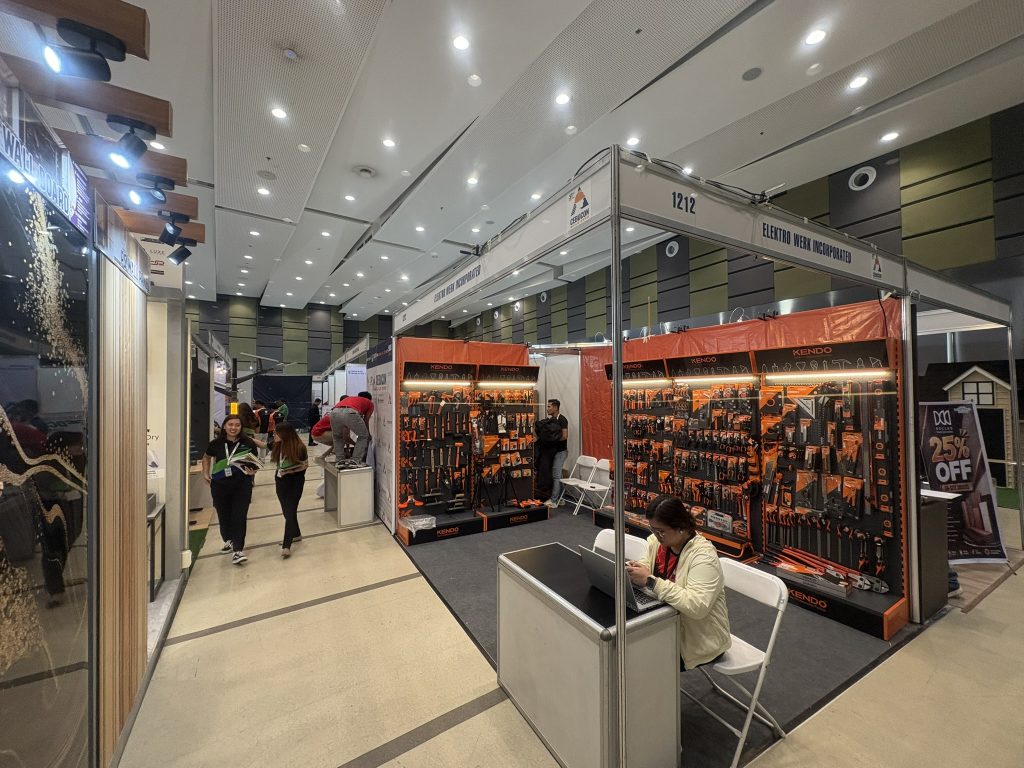
Exhibitors are showcasing solar energy systems, water management technologies, digital construction platforms and energy-efficient building products designed to help contractors, developers and property owners reduce operating costs and improve efficiency.
About half of the exhibitors are from Metro Manila, highlighting Cebu’s growing role as a regional hub for construction, engineering and real estate investments in the Visayas and Mindanao.
The Philippine construction industry has remained resilient despite global economic headwinds. Data from the Philippine Statistics Authority showed the sector expanded 6.8% in the first quarter of 2025, while approved construction projects increased 5.3% to 180,341 in 2024.
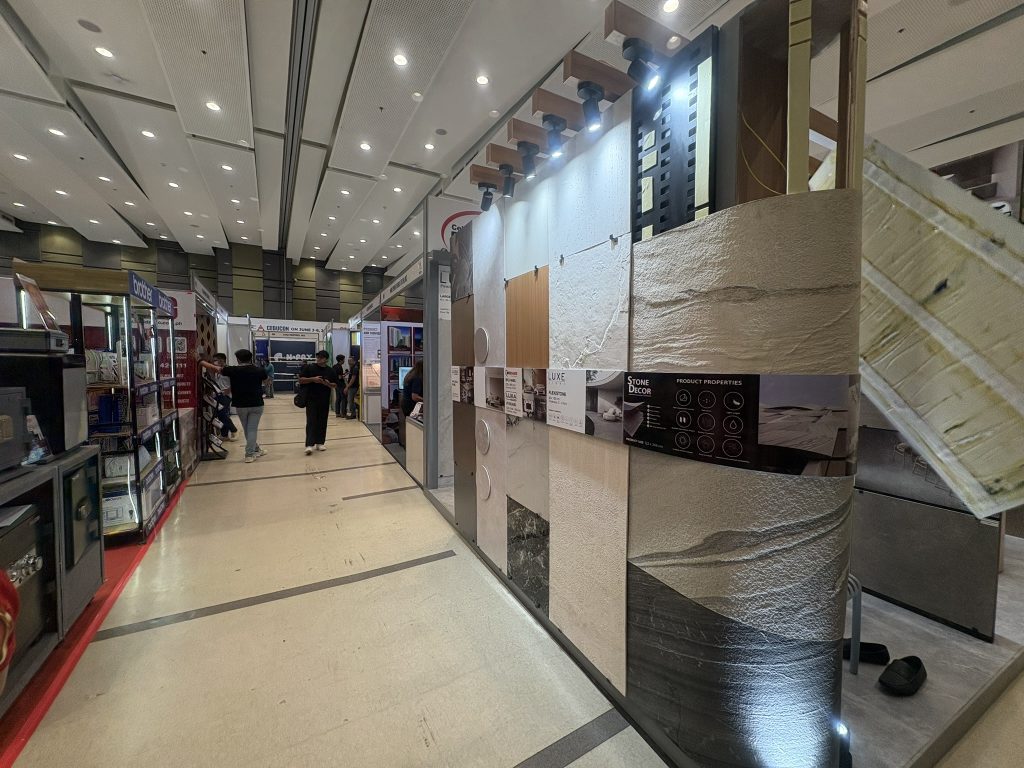
Industry participants said trade shows such as CebuCon have become increasingly important venues for identifying new technologies, strengthening supply-chain networks and exploring ways to cushion the impact of external shocks.
While geopolitical tensions and volatile energy prices remain concerns, developers and contractors continue to see opportunities from government infrastructure spending and private-sector investments, supporting demand across the construction value chain.

